Blog
Why Your Outbound Sales Strategy May Be Failing and How to Improve It

Even seasoned sales leaders are often baffled by why their team’s outbound strategies are falling short. With buyers bombarded by messaging, getting their attention is an uphill battle full of manual work. Recognizing and addressing these pitfalls to improve outbound sales strategies is crucial for maintaining a competitive edge.
What is Outbound Sales?
Outbound sales is proactively reaching out to potential customers or prospects to generate leads, build relationships, and close deals. Unlike inbound sales, where prospects find you through content marketing or organic interest, outbound sales relies on strategies like cold calling, cold emailing, LinkedIn outreach, and targeted outbound campaigns to engage decision-makers.

The key to success in outbound sales isn’t solely a volume play, it requires precision. The best sales teams leverage data-driven prospecting, AI-powered insights, and personalized outreach to connect with the right buyers at the right time. When done effectively, outbound sales can drive consistent pipeline and revenue growth, making it a critical component of any high-performing sales strategy.
Here are five common reasons outbound sales strategies fail, along with actionable insights to rectify them:
1. Utilizing Outdated or Inaccurate Data
Relying on outdated data leads to wasted efforts on dead-end leads and missed opportunities with viable prospects. Ensuring your contact lists are current and accurate is foundational to effective outreach. This can often be daunting and tedious for reps who are already stretched thin. Sales leaders must invest in innovation to make the path to success clear with the right technology and resources.
Solution: Implement regular data cleansing protocols and invest in reliable data sources. AI has created a path to reduce virtually all manual sales data enrichment and maintenance work but it is still under-utilized by most sales teams. Utilize AI technology that automatically updates and verifies contact information, ensuring your sales team targets the right prospects.
2. Insufficient Follow-Up Attempts
Many sales teams make the mistake of contacting prospects only once, missing out on potential conversions. Effective outbound sales require persistence, with multiple touchpoints across various channels. Prospects easily fall off the radar of sales teams as they are focused on closing revenue with more advanced-stage deals.

Solution: Develop a structured follow-up cadence that includes a mix of calls, emails, and social media interactions. The best approach is to remove manual work from this process as much as possible using autonomous prospecting technology.
It is important when using AI for outreach that it adapts to the user’s personality with have the ability to automate all follow-ups hands-free. Choose AI that does not use static sequences and personalizes each touchpoint to address the prospect’s specific needs and pain points to increase engagement. This keeps communication more authentic and improves response rates.
3. Lack of Personalization in Outreach
Generic, one-size-fits-all messages fail to resonate with prospects. Personalization helps capture buyers’ attention and builds authentic connections. But, the personalization has to be authentic and impactful. Simply adding their company name to subject lines isn’t enough in modern personalization.
Solution: Leverage data analytics and AI to tailor your messaging. Reference specific challenges the prospect’s industry faces and demonstrate how your solution addresses those issues. Personalized messages show that you’ve done your homework and genuinely understand their needs.
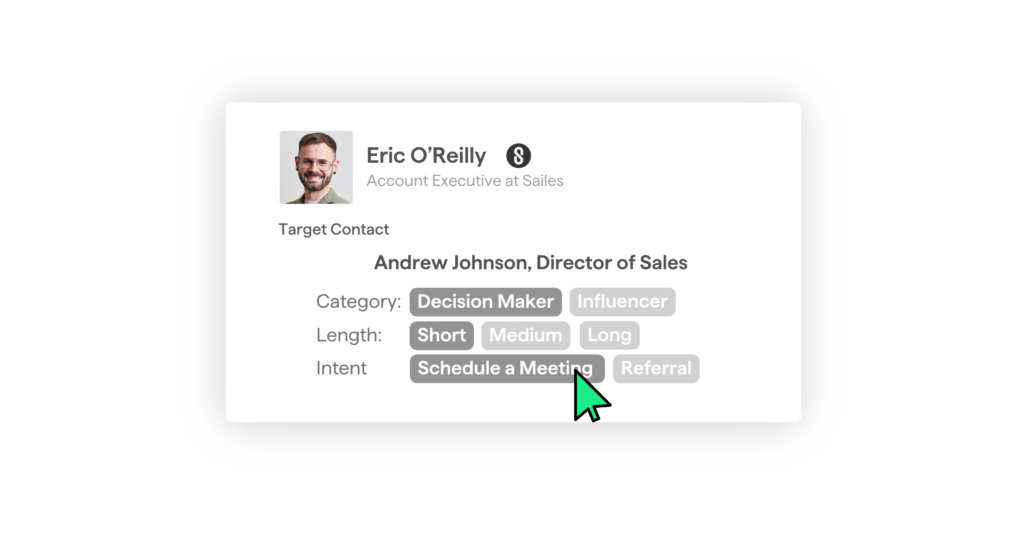
AI can ingest data points across social media, email, news, and our own CRM data to create truly customized messaging. By letting AI do the homework and learn from vast amounts of data and then leverage those learning for deep personalization, your sales teams gain deep insights without the manual digging.
4. Neglecting Multi-Channel Engagement
Relying solely on one communication channel limits your reach and effectiveness. Prospects engage differently; some prefer emails, while others respond better to calls or social media interactions. Balancing several channels across hundreds of prospects is overwhelming for teams who are focused on building pipeline efficiently.
Solution: Adopt a multi-channel outreach strategy. Combine emails, phone calls, LinkedIn messages, and even live chat to engage prospects where they’re most comfortable. Deploy AI on channels where it performs best, typically LinkedIn, live chatbots, and email, while preserving the human touch for where it is needed more – phone outreach and prospect meetings.
5. Failing to Define and Understand Target Audience
Without a clear understanding of your ideal customer profile (ICP), your outreach efforts can be misdirected, leading to low conversion rates. Sales teams often burn valuable hours engaged with prospects who end up not being an ICP fit, sacrificing time that could be spent on more promising revenue opportunities.
Solution: Invest time in developing detailed buyer personas. Understand their pain points, decision-making processes, and the value they seek. This knowledge allows you to craft personalized messages and position your offering as the ideal solution. Today’s AI technology will also learn from data to help refine targeting for prospects who are the strongest fit with the highest propensity to buy by analyzing response sentiment, intent data, and industry news. This pinpoints your prospecting efforts without manual analysis.
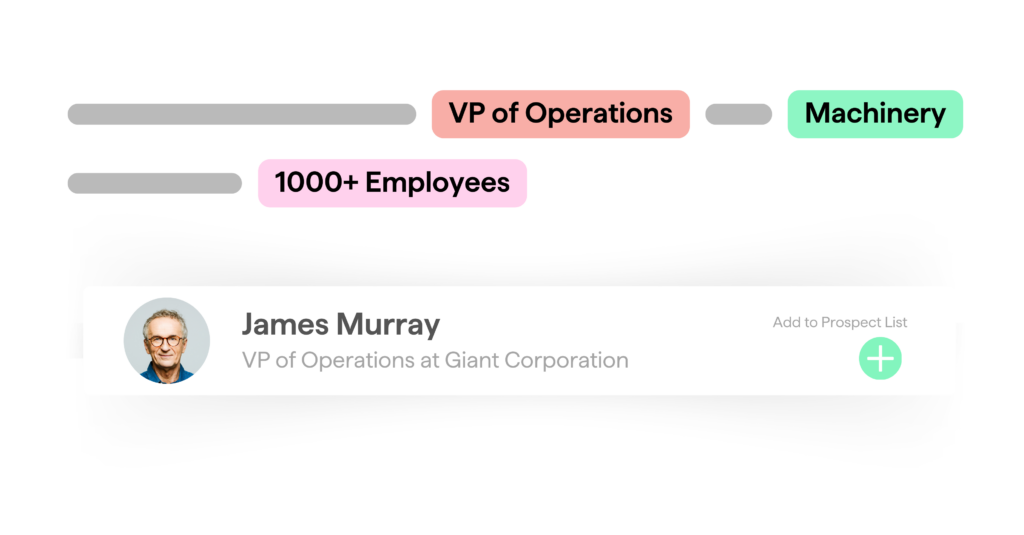
Sales leaders can refine their outbound strategies by avoiding these common pitfalls which will enhance engagement and drive better results. Remember, the key to successful outbound sales lies in data accuracy, persistence, personalization, multi-channel engagement, and a deep understanding of your target audience. This can be an overwhelming task for your team to take on alone, but with the right technology, sales teams can balance high-quality prospecting while preserving the human touch where it is needed most in the sales process.
Related Posts
blog


